
Foundation stability is essential for modern construction projects, especially in buildings, tunnels, slopes, and infrastructure systems. Choosing the right anchoring solution can directly influence structural safety and long-term performance. Concrete bolt anchors are widely used to create strong connections between concrete foundations and structural components. From load transfer to ground reinforcement, these anchoring systems help improve stability in challenging environments. This guide explains how concrete anchor bolts work, their common applications, and how to choose a suitable foundation bolt supplier for construction projects.
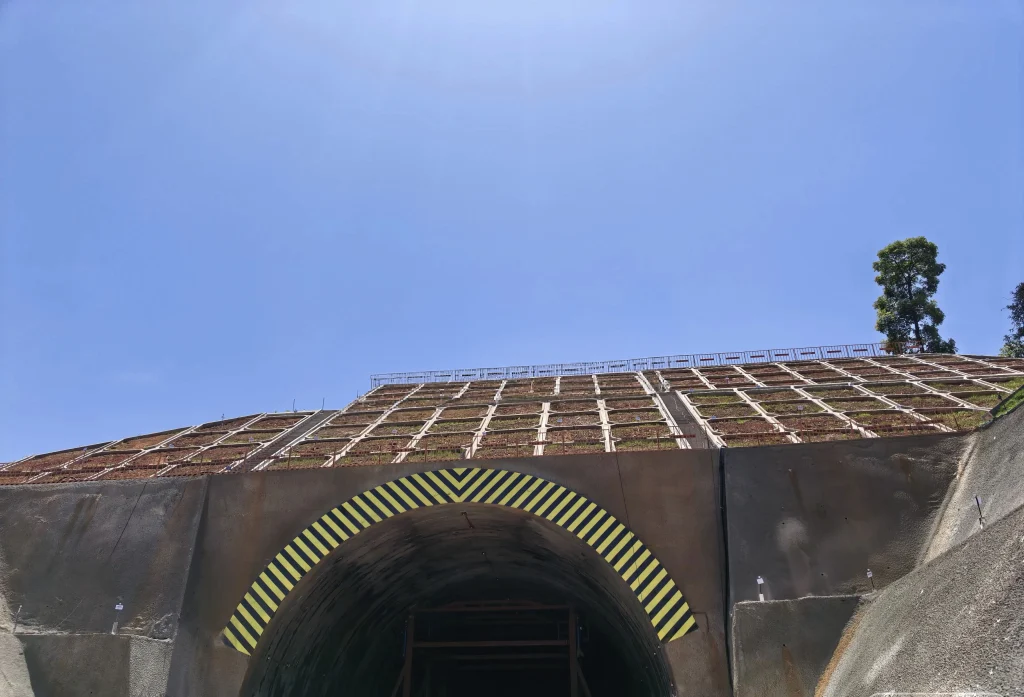
What Are Concrete Anchors and How Do They Work?
Concrete bolt anchors are fastening components designed to secure structures, equipment, or reinforcement systems to concrete bases. They provide mechanical connections by transferring forces between the attached structure and the concrete foundation.
Unlike standard bolts, concrete anchors are specifically designed to withstand:
- Tensile forces
- Loads
- Structural vibration
- Environmental stress
During installation, the anchor creates a reliable connection inside or against the concrete structure. This helps prevent unwanted movement and improves overall stability. Selecting the correct anchoring solution is therefore an important step in construction planning.
The performance of concrete anchor bolts depends on several factors:
- Anchor design
- Material strength
- Installation method
- Concrete quality
- Project requirements
Why Are Concrete Anchors Important for Construction?
Modern construction projects often face complex load conditions. A reliable anchoring system helps maintain structural integrity and improve safety.
Improve Load Transfer Efficiency
One major function of concrete bolt anchors is transferring loads between structures and foundations. Proper load distribution reduces stress concentration and improves connection reliability.
They help distribute:
- Static loads from buildings and equipment
- Dynamic forces caused by vibration
- External pressure from environmental conditions
Enhance Structural Stability
Concrete foundations provide strength, but without proper anchoring, connected components may experience movement or displacement.
Using suitable anchoring solutions helps:
- Secure structural components
- Reduce connection failures
- Improve long-term durability
Support Different Engineering Applications
Concrete anchors are commonly used in:
- Steel structure installation
- Industrial equipment fixing
- Foundation reinforcement
- Bridge construction
- Underground engineering
- Slope stabilization projects
Types of Concrete Bolt Anchors for Different Applications
Different construction environments require different anchoring methods. Understanding anchor types helps engineers select the right solution.
Expansion Concrete Anchors
Expansion anchors create fixing force by expanding against the inside wall of a drilled hole. Advantages include simple installation and reliable fixing performance.
They are commonly suitable for:
- General construction projects
- Equipment installation
- Light to medium load applications
Chemical Concrete Anchors
Chemical anchors use bonding materials to secure the anchor inside concrete. These systems are commonly used in demanding structural applications.
They are often selected when projects require:
- Higher load capacity
- Strong bonding performance
- Installation flexibility
Self-Drilling Anchor Bolts
Self-drilling anchor bolts combine drilling, anchoring, and grouting functions into one system. They are suitable for projects where installation efficiency and ground reinforcement are important. Compared with traditional anchoring methods, self-drilling systems can simplify construction procedures and improve installation efficiency.
Typical applications include:
- Rock stabilization
- Slope reinforcement
- Tunneling projects
- Foundation support
How to Choose Concrete Bolt Anchors for Your Project?
Choosing suitable materials and protective treatments helps improve service life. Choosing suitable concrete anchor bolts requires evaluating several technical factors.
Consider Load Requirements
Selecting anchors based on actual loading conditions helps prevent connection problems. Different projects require different anchor capacities. Engineers should consider:
- Required tensile strength
- Shear resistance
- Expected vibration levels
- Safety requirements
Evaluate Installation Conditions
The construction environment affects anchor selection. For complex environments, specialized anchoring systems may provide better results.
Important factors include:
- Concrete strength
- Ground conditions
- Installation space
- Available equipment
Check Material and Corrosion Resistance
The construction environment affects anchor durability. Outdoor and industrial projects may expose anchors to moisture, chemicals, and temperature changes. Choosing suitable materials and protective treatments can help improve the long-term performance of concrete bolt anchors.
Important factors include:
- Material strength
- Corrosion resistance
- Environmental conditions
- Service life requirements
What Should You Look for in a Foundation Bolt Supplier?
A reliable foundation bolt supplier should provide products that meet project requirements and maintain consistent quality.
Important supplier capabilities include:
Manufacturing Experience
A supplier with production experience can provide stable product quality and support different project requirements.
Quality Control
Quality inspection is essential for construction fasteners. A professional supplier should evaluate material properties, product dimensions, mechanical performance, and surface conditions to ensure reliable performance.
Technical Support
Different construction projects require different anchoring solutions. Suppliers with technical knowledge can help customers select suitable products according to application conditions.
Applications of Concrete Anchors in Modern Engineering
With increasing infrastructure development, concrete anchor bolts are used across various industries.
Common applications include:
- Building Construction: Anchors are used for connecting steel structures, equipment bases, and concrete foundations.
- Transportation Infrastructure: Concrete bolt anchors are used in bridges, rail systems, and road structures to improve connection stability and support long-term structural performance.
- Mining and Underground Engineering: Specialized anchoring systems help reinforce unstable rock and soil conditions.
- Slope Stabilization: Anchoring solutions provide additional support for slopes and retaining structures.
Installation Tips for Concrete Anchor Bolts
Correct installation is essential for achieving expected performance. Improper installation may reduce the load capacity of concrete bolt anchors and affect overall project safety.
Key installation steps include:
- Confirm concrete or ground conditions before installation
- Select appropriate drilling tools
- Clean installation holes properly
- Follow recommended fixing procedures
- Check anchor positioning and strength
Conclusion
Concrete bolt anchors play an important role in modern construction by improving connection strength, load transfer, and structural stability. Selecting the right anchoring method requires careful consideration of project conditions, installation requirements, and long-term performance. For construction teams, working with an experienced foundation bolt supplier can help ensure reliable products and suitable solutions for different engineering applications. Understanding anchor technology and application requirements allows projects to achieve better safety and efficiency.